
The best classes in town. Now at your school.
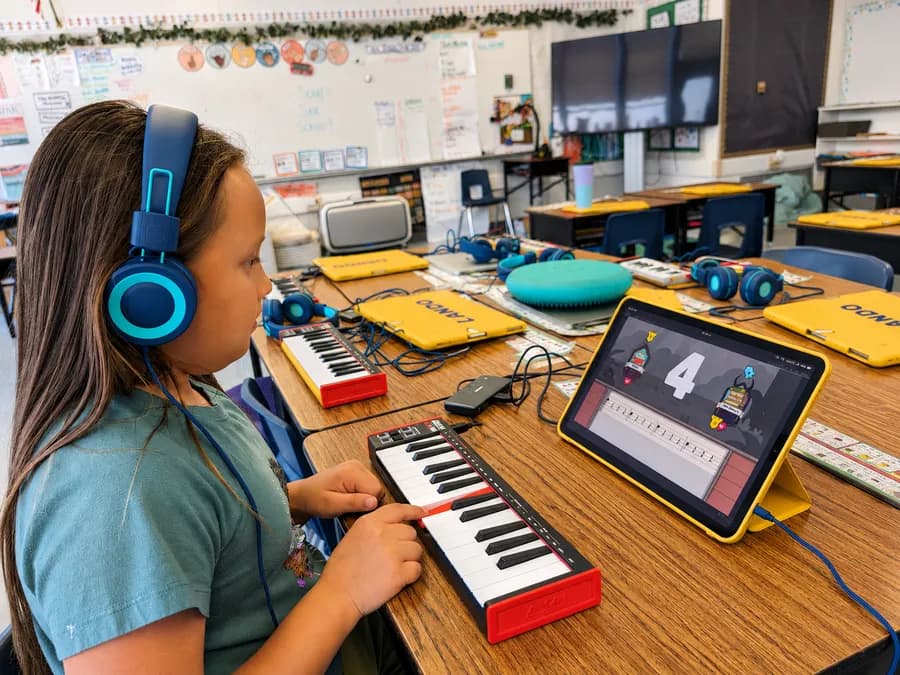
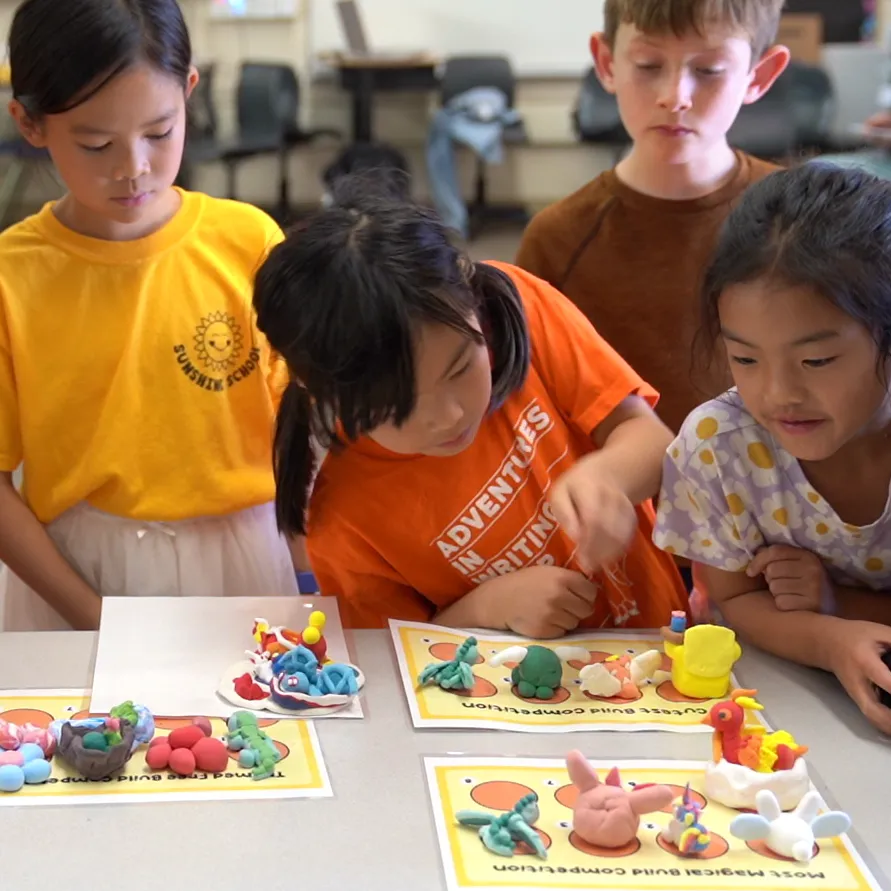
Coding, robotics, math, clay, and piano. Taught on campus right after school.





From a Lando parent
He chose not to go to Disneyland.
Calvin LOVES this class — he didn’t want to miss it. Thanks for giving him the tools to learn and grow.
More time building, less time driving.
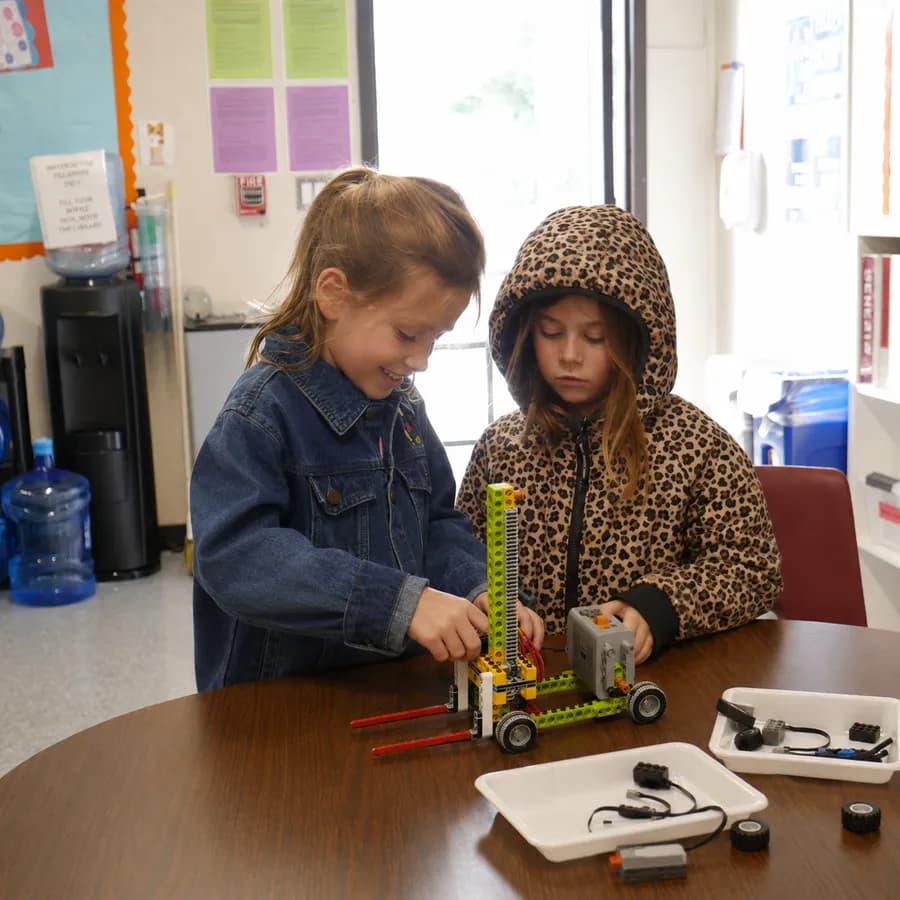
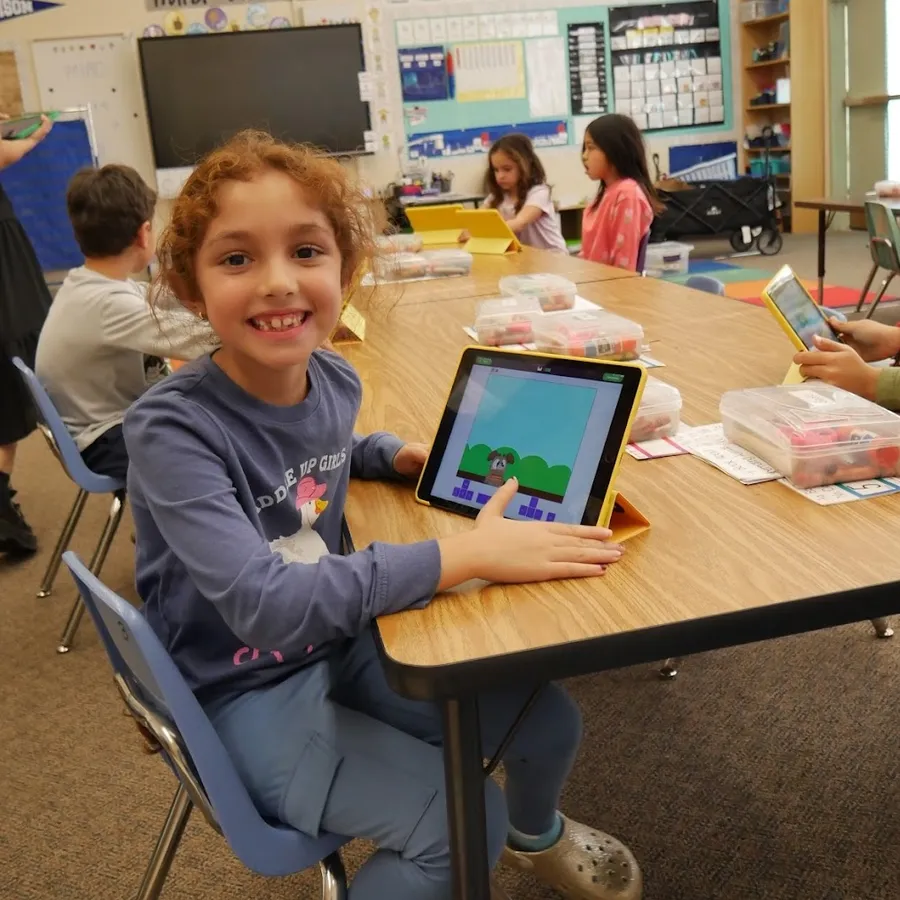
While other kids are stuck in the backseat, Lando students are coding games, wiring robots, and building snapping crocodiles — right where the school day ended.
The happiest 5 PM pickup.
They spend the afternoon building things they’re proud of. You pick up a kid who can’t stop talking about it.
Know your child is safe.
A text the moment your kid arrives, and the moment they leave — you always know exactly where they are.
- Instant check-in and check-out texts
- Same gate, same campus
- Background-checked, trained instructors.
↑ Live, every class day
Know your child is learning.
Get a detailed report after every class — photos, videos, and what they built — so “what did you do today?” finally has an answer.
- Photos, videos, and a note from their instructor
- Progress mapped to Common Core and state standards
- Take-home challenges to tackle together
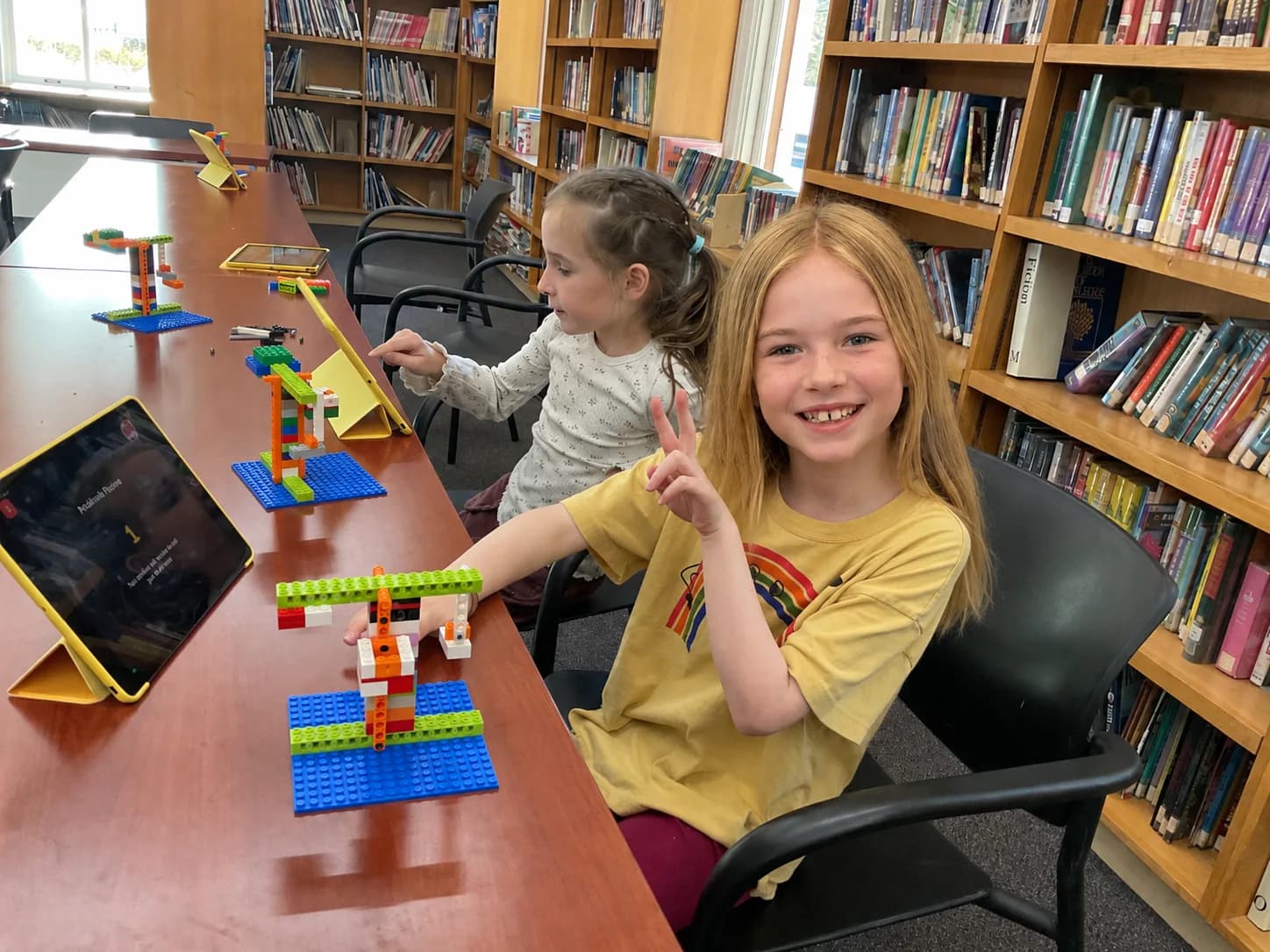
“Myla was super excited to do the builds, loved showing the teacher her work, and worked great with others.”
Easy on your school. Easy on you.
We bring everything
- Instructors, hired and trained by Lando
- Background checks & insurance
- Registration, sign-ups & billing
- Materials, from our own WiFi to Robotics Kits
- Check-in/check-out safety texts to parents
Your school brings
- A classroom Lando can rent
No additional work for your office staff or PTA.
Is Lando at your school?
Search for your school to get started.
Duveneck Elementary
Locally loved. Nationally recognized.
Real reviews from the parents and kids in Lando classrooms.
Another fun week at Lando, Sebastian was very excited that everyone could recognize what he built.
This class was a inspirational experience for Johnson AS His career path is veterinarian medicine , he is Now thinking Robotics in animals..👨🏼🔬🎯🎯
We love how much Johnson is feeling about this science.. Thanks a lot for your professionalism and help with our Son💯
Lov Johnson’s smiles and happiness in Robotics..Tkyou VERŸ MUCĦ
Christopher has so much fun!
Sebastian immediately shared that he "LOVED" lando and can't wait to come back.
Everything is perfect
He is enjoying class and is excited for Mondays because of the class. Thank you for creating such a fun and engaging class.
She absolutely loves this class
Sam was nervous about going today since he wasn’t able to finish last week’s project. Completing today’s project was really exciting. He’s motivated to go back next week and feels more confident.
He is absolutely loving class
Sophia really enjoyed the class and can’t wait till until the next class!
Alexandra LOVES the class!
He said he had the best time ever! Can’t wait for more!
He had such a GREAT time!!!
My child has been with Lando coding for two years now. He has learned so much and had fun every minute. I love the teachers notes at the end of class. We love Lando’s coding class!
Charlie loved it! He’s excited to return next week
Myla had so much fun in this class.! Thank you!
Calvin LOVES this class. He literally chose not to go to Disneyland last week because he didn’t want to miss it. Thanks for encouraging him and giving him the tools to learn and grow — that’s literally all he wants in life.
I loved how my child engineered something that could be useful in life. Also my child went home with her hands wore off and I lived she was working hard.
Amanda looks happy and looks like she did a good job! Bravo ❤️❤️❤️
Super rad ! Momma loves it
Max is enjoying the class. Comes home very excited about what he created.
She absolutely loved it!
It was the best time ever! Sophia loves this class. Thank you!
Aaron was really proud of his creation and had a great time in class!!
Jane loved this class because she used her imagination and creativity, she also enjoyed how her friends were in the class 🩶
This is such an amazing class of art and I’m so glad that my daughter is learning to do different things with clay.
Emmett loves his Clay class. He raves about it every week.
Zeina really enjoyed the session today! She was so excited, and she even made her own robot. Thank you for the great experience!
Ella Jo said that this is the best after school class she has done!
It is SOOOOOOOO FUNNNNN!!!!!!!!!!!!!!!!!!!!!
Another fun week at Lando, Sebastian was very excited that everyone could recognize what he built.
This class was a inspirational experience for Johnson AS His career path is veterinarian medicine , he is Now thinking Robotics in animals..👨🏼🔬🎯🎯
We love how much Johnson is feeling about this science.. Thanks a lot for your professionalism and help with our Son💯
Lov Johnson’s smiles and happiness in Robotics..Tkyou VERŸ MUCĦ
Christopher has so much fun!
Sebastian immediately shared that he "LOVED" lando and can't wait to come back.
Everything is perfect
He is enjoying class and is excited for Mondays because of the class. Thank you for creating such a fun and engaging class.
She absolutely loves this class
Sam was nervous about going today since he wasn’t able to finish last week’s project. Completing today’s project was really exciting. He’s motivated to go back next week and feels more confident.
He is absolutely loving class
Sophia really enjoyed the class and can’t wait till until the next class!
Alexandra LOVES the class!
He said he had the best time ever! Can’t wait for more!
He had such a GREAT time!!!
My child has been with Lando coding for two years now. He has learned so much and had fun every minute. I love the teachers notes at the end of class. We love Lando’s coding class!
Charlie loved it! He’s excited to return next week
Myla had so much fun in this class.! Thank you!
Calvin LOVES this class. He literally chose not to go to Disneyland last week because he didn’t want to miss it. Thanks for encouraging him and giving him the tools to learn and grow — that’s literally all he wants in life.
I loved how my child engineered something that could be useful in life. Also my child went home with her hands wore off and I lived she was working hard.
Amanda looks happy and looks like she did a good job! Bravo ❤️❤️❤️
Super rad ! Momma loves it
Max is enjoying the class. Comes home very excited about what he created.
She absolutely loved it!
It was the best time ever! Sophia loves this class. Thank you!
Aaron was really proud of his creation and had a great time in class!!
Jane loved this class because she used her imagination and creativity, she also enjoyed how her friends were in the class 🩶
This is such an amazing class of art and I’m so glad that my daughter is learning to do different things with clay.
Emmett loves his Clay class. He raves about it every week.
Zeina really enjoyed the session today! She was so excited, and she even made her own robot. Thank you for the great experience!
Ella Jo said that this is the best after school class she has done!
It is SOOOOOOOO FUNNNNN!!!!!!!!!!!!!!!!!!!!!
Amadeus enjoyed the robotics class and he is able to build his own designs at home 🤩
This is Noor’s favorite enrichment class. She talks about it all the time and truly cherishes everything she makes in the class.
Thomas really enjoys Engineering and Robotics class with his friends! He loves all the challenges and all the creative activities keep him engaged.
She was very excited talking about her time in robotics today. She spoke very vividly about everything she's built. And when I saw the pictures, I was like, yup she was spot on on telling me about her time there today. Very happy Sophia 😃 Thank you. 😊
She loves this class!
She said she loves it and is looking forward to next week.
He’s loving class. Thank you so much!
Weston is really enjoying this class and we really love to see the positive comments you are leaving. Thank you so much.
Thank you for everything! It was so fun!!
He says, “I love this class :-) and also I gave your class five stars for engineering and coding class. From Danny to Ms. Brianna.”
She's still loving the class!!!
Elijah loved the class!
She loves this class!
Leon loves this program so much: it is his favorite thing about school right now! He asked all week how long it was until the next class. I love the updates from you--AND him--because they show me how much thought and care went into creating this program. :)
It s the greatest thing in my whole entire life ! 😊
She really like Friday art class!
Great builds! So fun!! He wants MORE!
He’s having a blast.
We love your program and this class! It's very well organized, engaging, uses positive reinforcement, and the app is great. We also appreciate the pictures and detailed communication. ☺️
Nice to hear that Sunwoo is doing well. He always gets excited the morning when there is a class and says it's the best part of the day.
Thank you for a great lesson.
He truly loves coming to class. I know he is the youngest but he is having the best time learning.
Every day my child learn something new and I am so proud of her.thanks for the teacher who teaches her this work 🙌
Lorenzo is having a blast.
I think that Sasha did a wonderful job with clay ps, this is Sasha I stole my Mom’s phone to write this
Joey said this class was really fun and he can't wait for next week.
Keira enjoyed the class! Thank you for the pictures. I like to see the details of the work she did. Also, thank you so much for the text messages indicating she checked in for the class, and afterwards to ROCKS. Your program is very creative and very organized.
Olivia was so kind and helpful! She explained the class to me so I could better understand what my child was experiencing. I’m really thankful for her time and help. I loved seeing the pictures on my child’s work!
Bruce seems to love the class once he gets the hang of it. Thank you for coming to campus so Bruce can stay there after school. The convenience is awesome. I also appreciate the photo update since he doesn't tell me what happens in class.
I would like to say that this was an amazing experience for engineering robotics.
My son loves his Lando classes! Thank you for your great programs!
Mikaela loves the class!!!!
Amadeus enjoyed the robotics class and he is able to build his own designs at home 🤩
This is Noor’s favorite enrichment class. She talks about it all the time and truly cherishes everything she makes in the class.
Thomas really enjoys Engineering and Robotics class with his friends! He loves all the challenges and all the creative activities keep him engaged.
She was very excited talking about her time in robotics today. She spoke very vividly about everything she's built. And when I saw the pictures, I was like, yup she was spot on on telling me about her time there today. Very happy Sophia 😃 Thank you. 😊
She loves this class!
She said she loves it and is looking forward to next week.
He’s loving class. Thank you so much!
Weston is really enjoying this class and we really love to see the positive comments you are leaving. Thank you so much.
Thank you for everything! It was so fun!!
He says, “I love this class :-) and also I gave your class five stars for engineering and coding class. From Danny to Ms. Brianna.”
She's still loving the class!!!
Elijah loved the class!
She loves this class!
Leon loves this program so much: it is his favorite thing about school right now! He asked all week how long it was until the next class. I love the updates from you--AND him--because they show me how much thought and care went into creating this program. :)
It s the greatest thing in my whole entire life ! 😊
She really like Friday art class!
Great builds! So fun!! He wants MORE!
He’s having a blast.
We love your program and this class! It's very well organized, engaging, uses positive reinforcement, and the app is great. We also appreciate the pictures and detailed communication. ☺️
Nice to hear that Sunwoo is doing well. He always gets excited the morning when there is a class and says it's the best part of the day.
Thank you for a great lesson.
He truly loves coming to class. I know he is the youngest but he is having the best time learning.
Every day my child learn something new and I am so proud of her.thanks for the teacher who teaches her this work 🙌
Lorenzo is having a blast.
I think that Sasha did a wonderful job with clay ps, this is Sasha I stole my Mom’s phone to write this
Joey said this class was really fun and he can't wait for next week.
Keira enjoyed the class! Thank you for the pictures. I like to see the details of the work she did. Also, thank you so much for the text messages indicating she checked in for the class, and afterwards to ROCKS. Your program is very creative and very organized.
Olivia was so kind and helpful! She explained the class to me so I could better understand what my child was experiencing. I’m really thankful for her time and help. I loved seeing the pictures on my child’s work!
Bruce seems to love the class once he gets the hang of it. Thank you for coming to campus so Bruce can stay there after school. The convenience is awesome. I also appreciate the photo update since he doesn't tell me what happens in class.
I would like to say that this was an amazing experience for engineering robotics.
My son loves his Lando classes! Thank you for your great programs!
Mikaela loves the class!!!!
We love getting these picture updates from Lego class.
I particularly love these pics so we parents know what they do
He was very proud today.
Both sean and kate enjoyed the class very much. Thank you!
Minh loves this class
Great outcome 👏
He loves clay making class so much! Thank you for showing him how he can make art with different mediums and perspectives.
Sean really into do Lando!!
❤️❤️❤️❤️❤️❤️Lando is the best
Ben absolutely loves this class and already asked me to sign him up again next time it's offered. He looks forward to going every week. Thank you so much for making such an enjoyable and creative class!
He loved it and shared his progress reports and games with me last night :)
“I loved how we could just build such cool things that actually do stuff. And it was so fun doing what I love, building Legos.” Owen. He definitely enjoyed class!
Ian had a blast!
Thanks again for such an amazing class. Elliott's favorite day of the week is Thursday because of this class. Thank you for allowing him to be creative with his creations, he is so proud of them.
She loves this class! She is excited about it every week and talked how fun she's got after come back home. Thanks to the teachers who brings them both fun and challenges.
She likes it and always looking forward to it
Kayden says the class was amazing.
He said he had so much fun!
alexandra LOVES the class!!
The kids were jumping for joy and excited to show off their creations at pickup ❤️
He mentions his challenges and is excited about the projects. Thank you for providing these interesting challenges!
Oliver is really enjoying these classes. Thank you for coming to our school and doing this!!
Alailah loved the class! She came home really excited to share what she did and is excited to create her next project.
Niko absolutely loves this class. He is eager for Wednesday’s to come. ☺️
My son really enjoys this class. He's learned a lot about building different devices and structures. I can tell he's getting a lot out of the lessons and challenges.
Eric found this project very interesting and he enjoyed it very much
My child left class proud to share what she created, extremely happy, and is looking forward to next week’s class! Thank you SO much!!
Colette is thriving in Lando and can’t wait to come home and share her experience with me. Lando is the best part of her school week.
For his first time he really enjoyed it and had lots of fun! He said the teachers were great and helped him out and he loved being with his friends!
I loved how it challenged my mind using legos, I love legos! - Tiago
Nicolas loves all the Lando lessons
So cute thank you
We love getting these picture updates from Lego class.
I particularly love these pics so we parents know what they do
He was very proud today.
Both sean and kate enjoyed the class very much. Thank you!
Minh loves this class
Great outcome 👏
He loves clay making class so much! Thank you for showing him how he can make art with different mediums and perspectives.
Sean really into do Lando!!
❤️❤️❤️❤️❤️❤️Lando is the best
Ben absolutely loves this class and already asked me to sign him up again next time it's offered. He looks forward to going every week. Thank you so much for making such an enjoyable and creative class!
He loved it and shared his progress reports and games with me last night :)
“I loved how we could just build such cool things that actually do stuff. And it was so fun doing what I love, building Legos.” Owen. He definitely enjoyed class!
Ian had a blast!
Thanks again for such an amazing class. Elliott's favorite day of the week is Thursday because of this class. Thank you for allowing him to be creative with his creations, he is so proud of them.
She loves this class! She is excited about it every week and talked how fun she's got after come back home. Thanks to the teachers who brings them both fun and challenges.
She likes it and always looking forward to it
Kayden says the class was amazing.
He said he had so much fun!
alexandra LOVES the class!!
The kids were jumping for joy and excited to show off their creations at pickup ❤️
He mentions his challenges and is excited about the projects. Thank you for providing these interesting challenges!
Oliver is really enjoying these classes. Thank you for coming to our school and doing this!!
Alailah loved the class! She came home really excited to share what she did and is excited to create her next project.
Niko absolutely loves this class. He is eager for Wednesday’s to come. ☺️
My son really enjoys this class. He's learned a lot about building different devices and structures. I can tell he's getting a lot out of the lessons and challenges.
Eric found this project very interesting and he enjoyed it very much
My child left class proud to share what she created, extremely happy, and is looking forward to next week’s class! Thank you SO much!!
Colette is thriving in Lando and can’t wait to come home and share her experience with me. Lando is the best part of her school week.
For his first time he really enjoyed it and had lots of fun! He said the teachers were great and helped him out and he loved being with his friends!
I loved how it challenged my mind using legos, I love legos! - Tiago
Nicolas loves all the Lando lessons
So cute thank you
This is Noor’s favorite enrichment class. She talks about it all the time and truly cherishes everything she makes in the class.
He truly loves coming to class. I know he is the youngest but he is having the best time learning.
Ben absolutely loves this class and already asked me to sign him up again next time it's offered. He looks forward to going every week. Thank you so much for making such an enjoyable and creative class!
Keira enjoyed the class! Thank you for the pictures. I like to see the details of the work she did. Also, thank you so much for the text messages indicating she checked in for the class, and afterwards to ROCKS. Your program is very creative and very organized.
❤️❤️❤️❤️❤️❤️Lando is the best
Frequently Asked Questions
Lando is an after-school enrichment company that runs hands-on classes — coding, robotics, math, music, clay, and more — right on your child’s school campus.
We partner with your school or PTA to use a classroom after the bell. Your child walks straight from their school day into Lando, builds something they’re proud of, and you pick them up at the usual gate around 5 PM.
We’re an independent company, not part of your school district — but we work closely with your school, and every Lando teacher is background-checked and trained by us.
Lando typically pays the school a fee to rent a classroom after the bell, and parents at the school pay for class — typically $15–$20 per hour of class, depending on the region.
We’ve also partnered with schools where our classes are PTA or district funded — and free for parents. We’re open to many types of arrangements and strive to be the best partner we can for each community.
And we always save at least two spots per class for scholarship students.
Every school has its own dismissal routine — at some, teachers walk students over; at others, kids gather at a familiar spot like the picnic tables or hear an announcement. We work with your school to plug into whatever already works, so getting to Lando feels like any other part of the school day.
Class is always on campus, typically in a homeroom or flex room your child knows. And the moment your child checks in, you get a text.
Yes — they work well together. If your child is enrolled in aftercare, they check in there first as usual, and a Lando teacher picks them up — or aftercare staff walk them over. We coordinate the routine with your school, and you get a text the moment your child checks in to Lando.
Many families choose to skip aftercare on Lando days. Since we work with your school to get kids into our classroom safely right after the bell, Lando covers the afternoon on its own — no aftercare needed.
Our teachers arrive about 20 minutes before the bell, so the Lando room is ready and waiting before class starts.
Class typically starts 5 minutes after dismissal — kids check in, and you get a text the moment your child checks in to Lando.